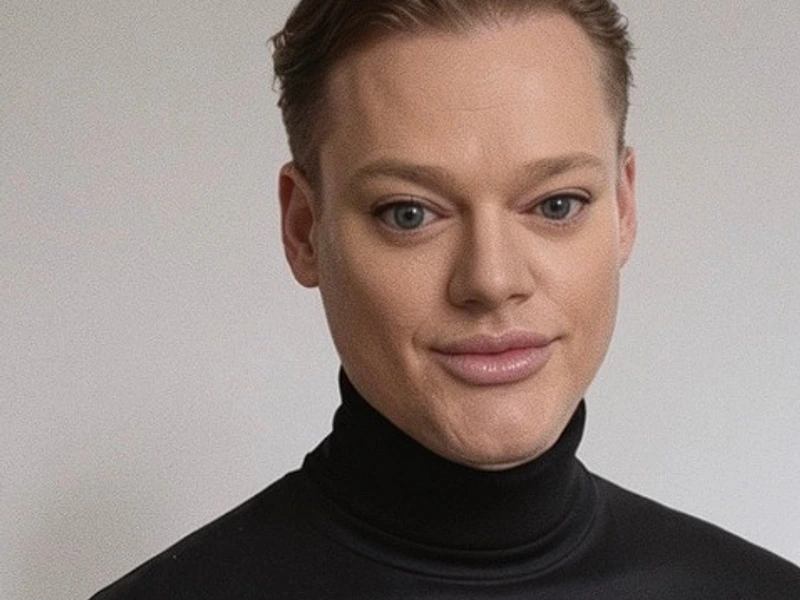
Monday, March 8th, 2027 10:00 AM EST -1:00 PM EST Lee Phillips, EdD, LCSW, CST, CST-S, CSCT
Yahoo!
Description
Sexual Wellness in Chronic Illness: Integrating Assessment, Healing, and Erotic Well-Being
This 3-hour course equips clinicians with an integrated, biopsychosocial-sexual framework for addressing sexuality and sexual wellness in the context of chronic illness. Drawing from Sexuality and Chronic Illness: A Clinician's Guide to Sexual Wellness and Healing, participants will explore how chronic illness, disability, medications, pain, fatigue, mental health, trauma, identity, and relational factors can shape desire, arousal, pleasure, intimacy, and sexual identity. The course introduces practical, inclusive, and trauma-informed approaches for initiating sexual health conversations and conducting comprehensive assessments using frameworks such as PLISSIT and BETTER, while incorporating intersectionality, cultural humility, gender and sexual diversity, and disability-affirming care.
The course will also examine depression, grief, shame, body image, responsive desire, erotic mindfulness, and the adaptation of sexual practices to changing bodies and energy levels. Participants will learn how medications, medical devices, assistive technologies, and sexual aids may affect or enhance sexual wellness, while developing strategies for interdisciplinary collaboration and ethical clinical practice. Through clinical vignettes, discussion, self-reflection, and practical interventions, participants will examine their own discomfort and sexual scripts and develop greater confidence in creating safe, affirming spaces for clients to discuss sexuality. The course ultimately reframes sexual wellness not as an optional component of care, but as an important dimension of quality of life, identity, connection, dignity, and healing for people living with chronic illness.
Creating Affirming Spaces for Sexual Wellness: participants will leave the course with practical frameworks, clinical strategies, and greater confidence in addressing sexuality as an essential component of holistic care for people living with chronic illness.
Like this webinar? Click here to view packages that contain this webinar.
About the Presenter:
Dr. Lee Phillips is a clinician, educator, and author specializing in sexual wellness, intimacy, and the intersection of sexuality and chronic illness. Through his clinical work, teaching, and writing, he brings a compassionate, trauma-informed, and inclusive approach to helping individuals and couples navigate the complex ways that chronic illness, disability, mental health, medications, and life transitions can affect desire, pleasure, intimacy, and sexual identity. His work challenges the assumption that sexuality becomes less important when someone is living with illness and instead emphasizes sexual wellness as an essential component of quality of life, connection, dignity, and healing. He is the author of Sexuality and Chronic Illness: A Clinician’s Guide to Sexual Wellness and Healing, which provides clinicians with practical frameworks for integrating sexual health into chronic illness care. His approach combines clinical knowledge with cultural humility, intersectionality, disability-affirming practice, and a sex-positive perspective, empowering healthcare and mental health professionals to have more confident, compassionate, and meaningful conversations about sexuality with their clients and patients.
Learning Objectives:
- By the end of this course, participants will be able to identify at least three ways chronic illness, disability, medications, mental health, and relational factors can influence sexual health, desire, pleasure, intimacy, and sexual identity, using a biopsychosocial-sexual framework.
- By the end of this course, participants will be able to apply at least two trauma-informed and inclusive strategies for initiating and assessing sexual health concerns, incorporating principles of cultural humility, intersectionality, gender and sexual diversity, and disability-affirming care.
- By the end of this course, participants will be able to describe at least three practical clinical strategies for supporting sexual wellness in people living with chronic illness, including approaches to responsive desire, pleasure, shame and grief, medication-related sexual concerns, sexual aids and accommodations, interdisciplinary collaboration, and clinician discomfort.
Agenda:
Agenda: Sexual Wellness in Chronic Illness: A Clinician’s Guide to Assessment, Healing, and Erotic Well-Being
Course Time: 10:00 AM–1:00 PM
Total Duration: 3 Hours
| Time | Segment | Content & Activities |
|---|---|---|
| 10:00–10:15 AM | Welcome, Orientation & Opening Reflection | Introductions, learning objectives, and establishment of a psychologically safe and inclusive learning environment. Opening reflection: What makes conversations about sexuality difficult in clinical practice? |
| 10:15–10:40 AM | Sexual Health & Chronic Illness: A Biopsychosocial-Sexual Framework | Explore sexuality as an essential dimension of health and quality of life. Examine common clinical myths and the physical, psychological, relational, and sexual impact of chronic illness. Guided discussion: What messages have clinicians and patients received about sexuality and chronic illness? |
| 10:40–11:05 AM | Assessment Through a Sexual Wellness Lens | Introduce practical approaches for initiating sexual health conversations and conducting inclusive, trauma-informed assessments. Explore the PLISSIT and BETTER models. Activity: Practice language for opening sexual health conversations in routine clinical encounters. |
| 11:05–11:25 AM | Intersectionality, Identity & Access to Sexual Wellness | Examine the intersections of chronic illness with race, gender, sexual orientation, disability, socioeconomic status, and other identities. Explore cultural humility, clinician positionality, and systemic barriers to sexual health care. Guided case discussion: Identify barriers and opportunities for more equitable and affirming care. |
| 11:25–11:35 AM | Break | 10-minute break. |
| 11:35 AM–12:00 PM | Mental Health, Shame, Grief & the Erotic Self | Explore the relationship between chronic illness, depression, grief, shame, body image, trauma, and sexual disconnection. Discuss strategies for rebuilding body trust, emotional resilience, and erotic agency. Reflective activity: Identify ways clinicians can respond to shame and grief without pathologizing sexuality. |
| 12:00–12:25 PM | Reframing Desire & Pleasure | Explore spontaneous versus responsive desire, erotic mindfulness, somatic attunement, pacing, and adapting sexual activity to pain, fatigue, sensory changes, and fluctuating health. Activity: Develop a clinical strategy for helping a client or couple create accessible pathways to pleasure. |
| 12:25–12:45 PM | Medications, Devices, Sexual Aids & Interdisciplinary Care | Examine the impact of medications and medical interventions on libido, arousal, orgasm, sensation, and sexual pain. Discuss sexual aids, assistive devices, and sex technology as tools for access, accommodation, agency, and pleasure. Address ethical considerations, scope of practice, and interdisciplinary collaboration. |
| 12:45–12:55 PM | Navigating Clinician Discomfort | Explore countertransference, cultural conditioning, internalized sexual scripts, language, boundaries, and scope of practice. Guided reflection: How might clinician discomfort influence what is asked, avoided, or assumed during sexual health conversations? |
| 12:55–1:00 PM | Integration, Key Takeaways & Closing | Participants identify one concrete change they will make in their clinical practice. Review key concepts and resources. Closing reflection: What would change if sexual wellness became a routine part of chronic illness care? |
Accreditation - This Webinar Offers 3 Live Interactive Continuing Education Credits
- This program meets the requirements for the American Association of Sexuality Educators, Counselors and Therapists. These CE credits may be applied toward AASECT certification and renewal of certification. AASECT Core Knowledge Areas: H.
- CE You! is an approved sponsor of the Maryland Board of Social Work Examiners for continuing education credits for licensed social workers in Maryland.
CE You! maintains responsibility for this program. - Therapist Express is recognized by the New York State Education Department's State Board for Mental Health Practitioners as an approved provider of continuing education for licensed creative arts therapists. #CAT-0122.
- Therapist Express is recognized by the New York State Education Department's State Board for Mental Health Practitioners as an approved provider of continuing education for licensed marriage and family therapists #MFT-0129.
- Therapist Express is recognized by the New York State Education Department's State Board for Mental Health Practitioners as an approved provider of continuing education for licensed mental health counselors. #MHC-0325.
- Therapist Express is recognized by the New York State Education Department's State Board for Psychology as an approved provider of continuing education for licensed psychologists #PSY-0275.
- Therapist Express is recognized by the New York State Education Department's State Board for Social Work as an approved provider of continuing education for licensed social workers #SW-0774.
This presentation is open to:
- Behavior Analysts
- Social Workers
- Professional Counselors
- Therapists
- Psychologists
- Licensed Mental Health Practitioners
- Medical Doctors and Other Health Professionals
- Other professionals interacting with populations engaged in mental health based services
This online class is offered at an introductory level, and is beneficial for a beginner level clinician:
- New practitioners who wish to gain enhanced insight surrounding the topic
- Experienced practitioners who seek to increase and expand fundamental knowledge surrounding the subject matter
- Advanced practitioners seeking to review concepts and reinforce practice skills and/or access additional consultation
- Managers seeking to broaden micro and/or macro perspectives
Additional information
- Refunds: Registrants who are unable to attend a NEFESH seminar or live webinars may ask for, and will receive, a credit or refund (your choice). Refund requests will be processed within 3 business days. When an attendee knows in advance that they are unable to attend we ask that they inform NEFESH ahead of time by emailing secretary@nefeshinternational.org or by calling or texting 201-384-0084 this allows us to free up the spot in the training in the event that a training is at or near capacity.
- Disability Access: If you require ADA accommodations, please contact our office 30 days or more before the event. We cannot ensure accommodations without adequate prior notification.
- Please Note: Licensing Boards change regulations often, and while we attempt to stay abreast of their most recent changes, if you have questions or concerns about this course meeting your specific board’s approval, we recommend you contact your board directly.
- The grievance policy for trainings provided by NEFESH is available here
- Satisfactory Completion: Certificates are available after satisfactory course completion in your account or by clicking here
- Participants will receive their certificate electronically upon completion of the webinar and course evaluation form.
- There is no conflict of interest or commercial support for this program.
- System Requirements: Any device (such as a computer, tablet, or phone), Dual-Core 2 GHz or higher processor, and at least 4 GB of RAM capable of running a Zoom session, along with a stable internet connection.
- Although early registration is recommended for this class in order to ensure the best experience, attendees may register and join until the start of the program